[Introduction] “Can the spots on my face be removed?” is the most common opening line in spot-removal consultations. However, there are several types of spots: some sit in the epidermis, others in the dermis, and some are more likely to darken further with laser treatment. Taking the wrong approach wastes both time and budget.
[What Users Really Want to Know] People actually only want to know three things: what kind of spots are on my face, can a single laser type fix all of them, and why do some people’s spots become more noticeable after treatment? All three answers start with correctly classifying the spot type.
[Professional Knowledge] Freckles usually appear in childhood; they are small, have clear borders, cluster on the bridge of the nose and cheeks, and darken after sun exposure. Sun spots form in adulthood from long-term UV exposure, and their individual patches have sharper borders than melasma. Melasma typically appears as symmetrical, patchy areas on both sides of the face with blurry edges; it is linked to hormones, UV radiation, and skin barrier health, and tends to recur. Nevus of Ota-like macules (Hori’s nevus) are deep dermal pigments with a brownish-blue or grayish-blue hue, mostly found on the cheekbones. To identify a spot type, look at three factors: age of onset, whether it is symmetrical, and whether the color leans more brown or blue. Epidermal and dermal pigments respond very differently to lasers, and this depth is determined through skin analysis and an in-person consultation.
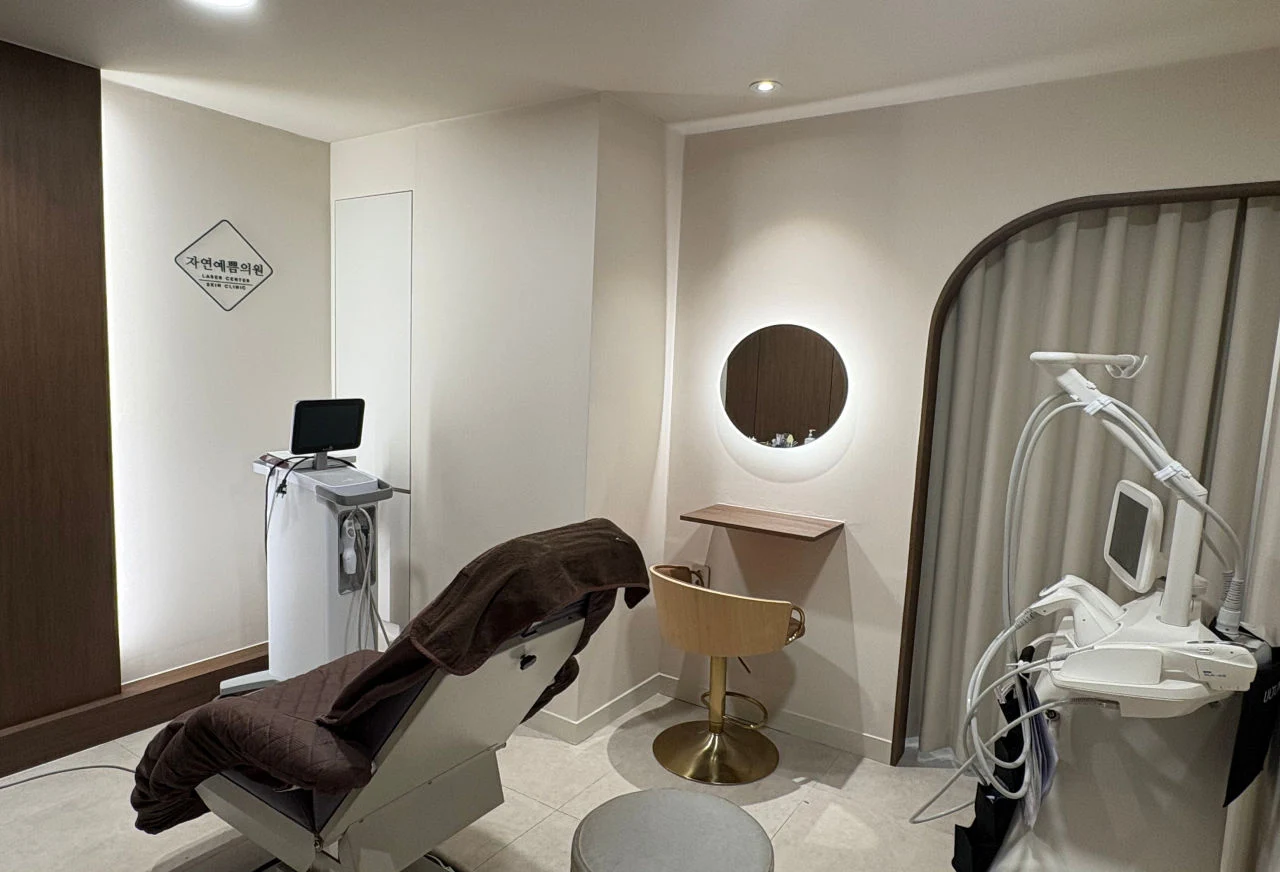
[Treatments & Equipment] Our clinic’s laser options include Excel V3, whitening laser, pico-toning, and CO2, paired with HydraFacial and LALA Peel for pre- and post-treatment care. Stronger is not always better: epidermal spots usually respond quickly, while dermal spots require more sessions with longer intervals; melasma calls for a more conservative approach with lower energy and a slower pace. Treatment parameters and session counts are set by the consulting physician based on test results, and outcomes vary by individual.
[Key Considerations] Classify your spot type before purchasing a treatment package — doing it the other way around often leads to wasted effort. For melasma, never follow the idea that “stronger treatment means cleaner results,” as the risk of post-inflammatory hyperpigmentation is real. Sun protection is the foundation; skipping it will reduce the effectiveness of any treatment. Prices quoted are before tax; an additional 10% surcharge applies at checkout, so be sure to compare prices using the same basis.
[Clinic Strengths] Treating pigmentation requires highly accurate diagnosis. NB Skin Natural Beauty Dermatology Clinic is led by Representative Director Dr. Lee Eun-young, who specializes in pigmentation and whitening, and is skilled in melasma improvement and subscision for scars. All three directors have over 10 years of clinical experience; the doctor who consults with you is the same one who performs the procedure, with no handoff of your treatment plan.
[FAQ] Q: Can facial spots be removed in one session? A: Most require multiple sessions. The number depends on the spot type and individual response, varying from person to person. Q: How can I tell freckles and sun spots apart? A: Freckles appear earlier, are small with clear borders. Sun spots are related to long-term sun exposure. Final diagnosis still requires an in-person consultation. Q: Why do some people’s spots get darker after laser treatment? A: This is commonly due to post-inflammatory hyperpigmentation, and is related to the spot type, laser energy used, and sun protection habits.
[Summary] The first step in spot removal is not choosing a device, but correctly identifying your spot type. Only after distinguishing epidermal from dermal, and symmetrical from unilateral spots, should you discuss specific treatments.
[Contact] NB Skin Natural Beauty Dermatology Clinic (NB Skin · Natural Beauty Dermatology Clinic) is located at Gangnam-daero 432, Floor 7, Gangnam-gu, Seoul, South Korea. It is within walking distance from Exit 6 of Sinnonhyeon Station or Exit 11 of Gangnam Station. Business hours: Monday–Friday 11:00–20:30, Saturday 10:00–17:00. Lunch break: 14:00–15:00. Closed on Sundays and public holidays. For inquiries: WeChat nbclinic1, LINE: https://line.me/ti/p/Kffx3d36yy。
What Kind of Spots Are on Your Face? How to Tell Freckles, Sun Spots, Melasma, and Nevus of Ota Apart
Hyperpigmentation is not a single condition. Freckles, sun spots, melasma, and nevus of Ota differ in the age they appear and the depth of the pigment, so they require different approaches to treatment. First identify the type, then decide what to do about it.